Wound debridement is a vital medical procedure that removes dead, damaged, or infected tissue from a wound to promote healing. By clearing away unhealthy tissue, debridement helps reduce the risk of infection, enhances the effectiveness of healing agents, and fosters the growth of healthy tissue. Dr. Robert Hacker uses various methods for wound debridement in St. Louis, including surgical, mechanical, and laser debridement, based on the wound’s characteristics.
Wound debridement: an overview
Wound debridement is a crucial medical intervention designed to facilitate the healing process by removing necrotic (dead), contaminated, or non-viable tissue from a wound site. This is essential because wounds that contain unhealthy tissue are more susceptible to infection and have a significantly slower healing rate. By eliminating these impediments, debridement creates an optimal environment for the body’s natural healing mechanisms to function effectively.
The need for wound debridement arises in various scenarios, including traumatic injuries, surgical wounds, chronic ulcers (such as diabetic foot ulcers or pressure sores), and burns. In such cases, the presence of dead tissue delays healing and increases the risk of complications, such as infection and tissue necrosis. Dr. Hacker recommends debridement as an integral part of wound management plans to expedite healing and prevent complications.
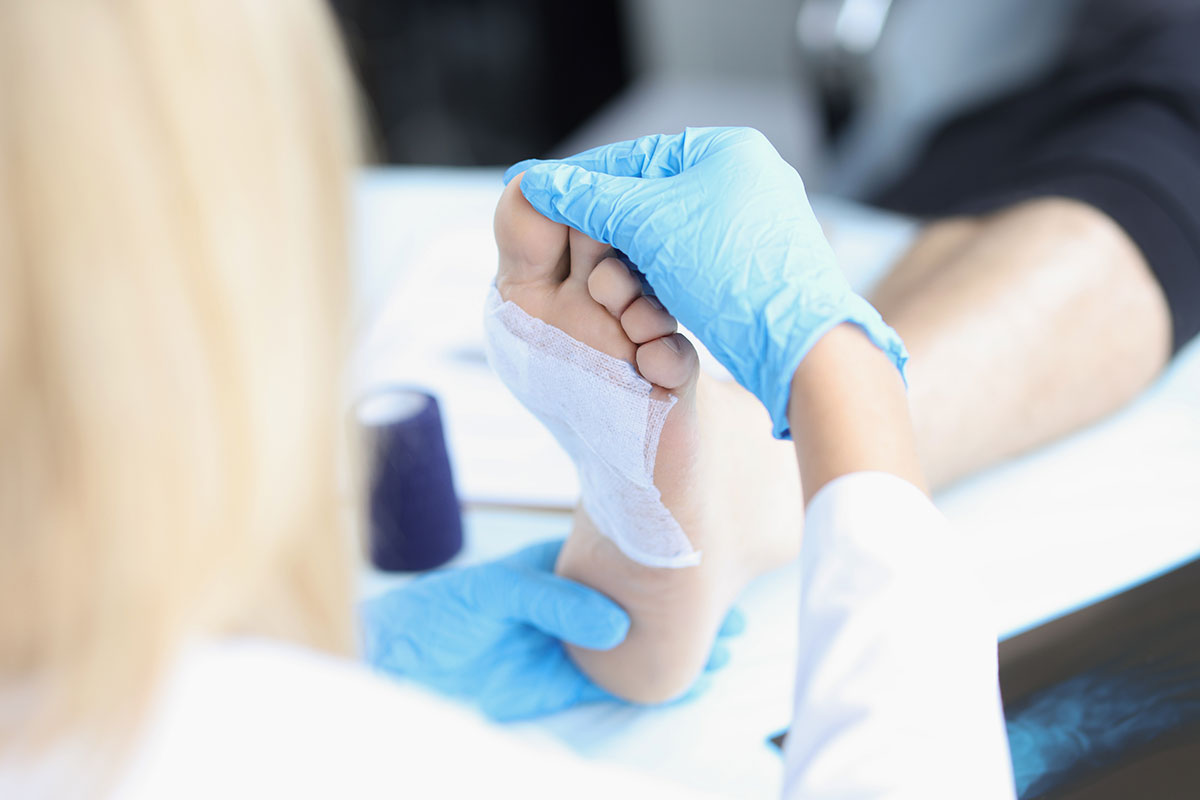
Signs and symptoms indicating you need wound debridement:
- Presence of necrotic (dead) tissue within the wound
- Foul odor emanating from the wound site
- Excessive exudate (fluid drainage) with a cloudy or discolored appearance
- Delayed wound healing despite appropriate treatment
- Persistent or worsening pain at the wound site
- Evidence of infection, such as redness, warmth, swelling, or pus
- Formation of thick, yellowish slough or eschar (scab-like tissue) over the wound
- Development of pockets or tunnels within the wound (sinus tracts)
- Recurrent breakdown of wound edges or failure to progress through the healing stages
- Presence of foreign debris or non-viable tissue within the wound bed
Common Wound Debridement Options Offered At SVSS
During your consultation, Dr. Hacker will conduct a comprehensive assessment for your wound care, which may include visual inspection, imaging studies, and laboratory tests. Based on this evaluation, Dr. Hacker will devise a customized treatment plan to optimize healing outcomes. Your options for wound debridement in St. Louis may include sharp surgical debridement, enzymatic debridement using topical agents, mechanical debridement, or other methods. Dr. Hacker will select the most appropriate wound debridement methods to ensure optimal recovery.
Laser Debridement
Laser debridement uses focused light energy to remove necrotic tissue and bacteria from wounds. The laser energy targets and vaporizes the damaged tissue while minimizing damage to healthy tissue. This promotes wound healing by eliminating debris and facilitating the formation of granulation tissue. Laser debridement is useful for chronic wounds and burns.
Surgical Debridement
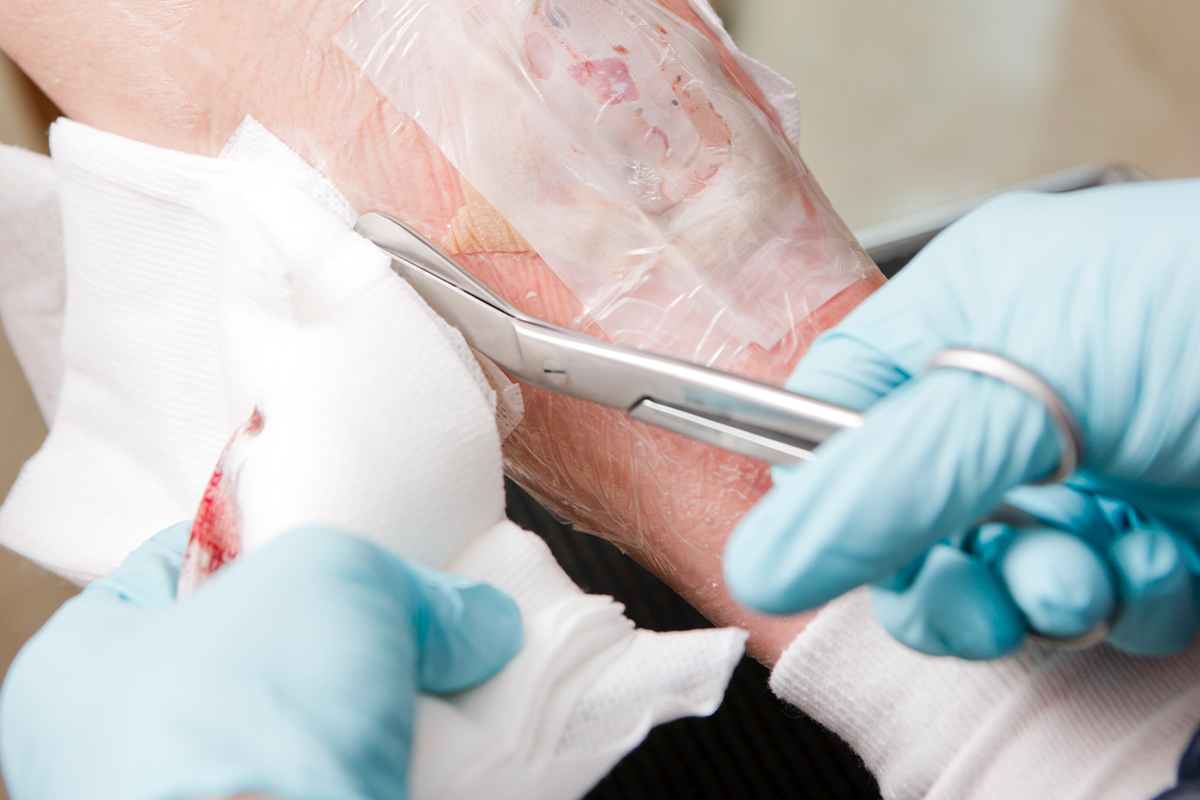
Surgical debridement involves the manual removal of necrotic, infected, or non-viable tissue from the wound bed using scalpels, scissors, or other instruments. This allows for the removal of unhealthy tissue, debris, and foreign materials, creating a clean wound bed. Surgical debridement is performed in cases of extensive tissue damage or infected wounds.
Mechanical Debridement
Mechanical debridement uses physical force or pressure to remove necrotic tissue from the wound surface. This can be achieved through techniques such as wet-to-dry dressings, irrigation, or scrubbing with gauze or a sponge. Mechanical wound debridement in St. Louis physically dislodges and removes dead tissue and debris from the wound bed, thus facilitating natural healing.
Enzymatic Debridement
Enzymatic debridement involves applying topical enzymatic agents to the wound bed to break down and digest necrotic tissue. These enzymes selectively target and degrade devitalized tissue while sparing healthy tissue. Enzymatic debridement accelerates the natural process of tissue breakdown, liquefaction, and removal, promoting wound healing without causing trauma. This method is particularly useful for patients with large or deep wounds.
Autolytic Debridement
Autolytic debridement uses the body’s natural mechanisms to remove necrotic tissue through the use of moisture-retentive dressings. These dressings maintain a moist environment at the wound site, allowing endogenous enzymes and fluids to break down and liquefy necrotic tissue over time. Autolytic debridement promotes selective tissue digestion, minimizing trauma to healthy tissue and supporting the formation of granulation tissue.
Chemical Debridement
Chemical debridement involves the application of chemical agents, such as hypochlorous acid, bromelain, or hydrogen peroxide, to the wound bed to dissolve and remove necrotic tissue. These agents work by breaking down proteins and disrupting the structure of dead tissue, facilitating its removal from the wound surface. Chemical wound debridement in St.Louis can be effective in softening and loosening eschar or slough, making it easier to remove manually.
What Our Clients Are Saying
“Dr. Hacker and his entire staff are very focused on their patients. The nicest, most caring staff of any doctor’s office I have worked with. Dr. Hacker resolved several issues — wound care, varicose veins, and peripheral artery disease. Thank you for the ability to enjoy walks again. I have already recommended Dr. Hacker to other family members and friends.”
-L.F.
“Dr. Hacker and his staff were incredibly professional and efficient from start to finish. His hands are truly golden! I was referred, and I’m so grateful—Dr. Hacker was precise, skilled, and absolutely amazing. Beyond his expertise, he’s also extremely personable. I highly recommend Dr. Hacker!”
-T.J.W.
“Dr. Hacker and his entire staff are compassionate, professional, and exquisitely effective at what they do. Five stars aren’t nearly enough.”
-A.G.
Wound Debridement FAQs
Is debridement painful?
Debridement can cause discomfort, but providers typically use numbing techniques to minimize pain. The level of discomfort depends on the method used and the wound’s condition.
How often is debridement needed?
Some wounds require multiple debridement sessions over time. This helps ensure all non-viable tissue is removed as the wound continues to heal.
Are there different types of debridement?
Yes, methods include surgical, mechanical, enzymatic, and autolytic debridement. The choice depends on the wound type and the patient’s overall condition.
Why is removing dead tissue important?
Dead tissue can harbor bacteria and block healing. Removing it creates a healthier environment for new tissue to develop.
Can debridement speed up healing?
Yes, it promotes faster healing by clearing the wound bed and reducing infection risk. This allows healthy tissue to regenerate more effectively.
Schedule your consultation with Dr. Hacker
St. Louis Vascular Surgical Specialists is a state-of-the-art medical center led by Dr. Hacker, a double board-certified surgeon with fellowship training in vascular surgery. Dr. Hacker has contributed to multiple academic publications and is widely recognized as a foremost expert in complex wound care. Please schedule your consultation with Dr. Hacker to discuss your options for wound debridement in St. Louis and ensure optimal wound management.
Schedule a
Consultation
At St. Louis Vascular Surgical Specialists, we are committed to providing accessible, high-quality care. We accept most major insurance plans to help meet your healthcare needs. For questions about coverage or to verify your insurance, please contact our office today.